
Why Can Two People With the Same Skin Condition Need Different Treatments?
Learn why two people with the same skin condition may require different treatments based on skin type, severity, medical history and individual responses to treatment.

Learn why two people with the same skin condition may require different treatments based on skin type, severity, medical history and individual responses to treatment.

Learn whether natural remedies can safely remove birthmarks, why some home treatments may harm your skin, and which dermatological treatments may help.

Learn why skin infections may return after treatment, what factors contribute to recurring infections, and when to seek further dermatological care.
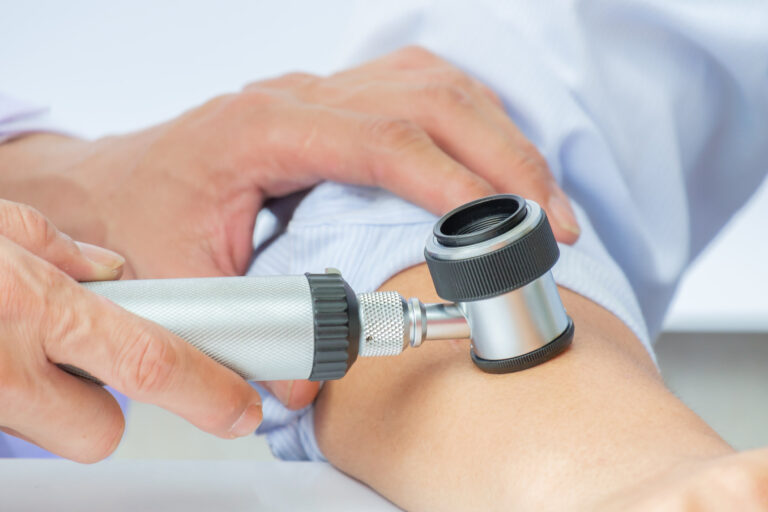
Learn why skin cancer can develop without noticeable symptoms, who may benefit from skin cancer screening, and when to consult a dermatologist for a skin assessment.

Learn what causes excessive sweating, how to recognise hyperhidrosis, and when to seek dermatological treatment to help manage persistent sweating.
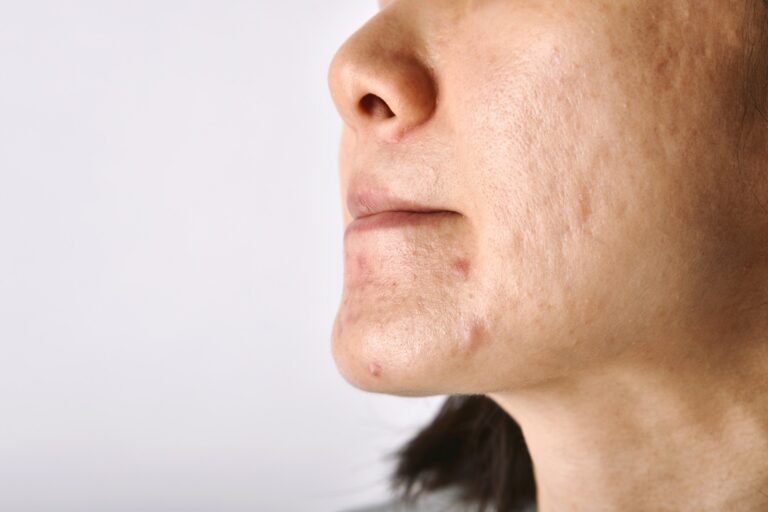
Learn why skin may still look uneven after acne clears and how fractional laser resurfacing may help improve acne scars, rough texture and overall skin smoothness.
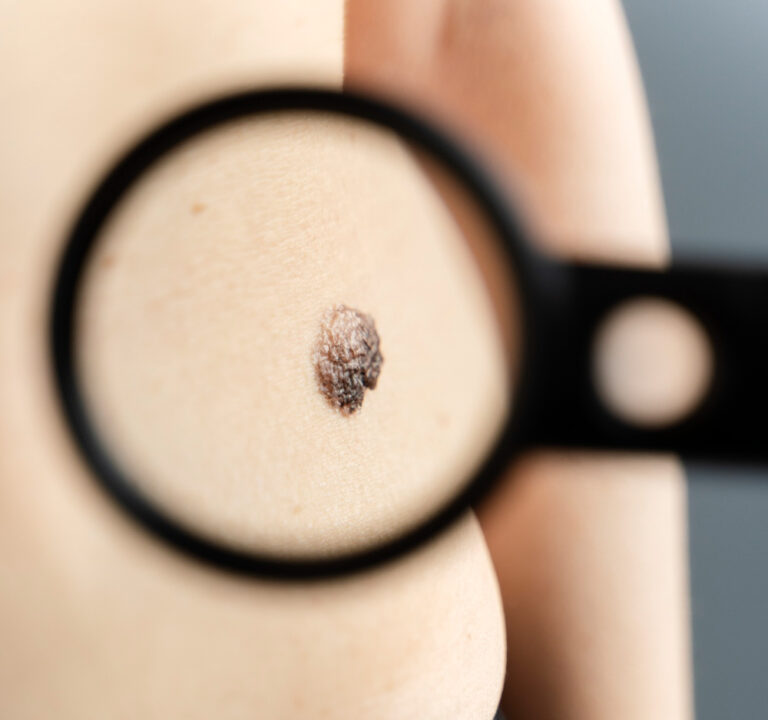
Learn what parents should look for when a child’s mole changes in size, shape or colour, including warning signs that may require a dermatologist’s assessment.

Learn how stress can affect your skin, trigger eczema, acne, and psoriasis flare-ups, and what you can do to help manage stress-related skin symptoms.
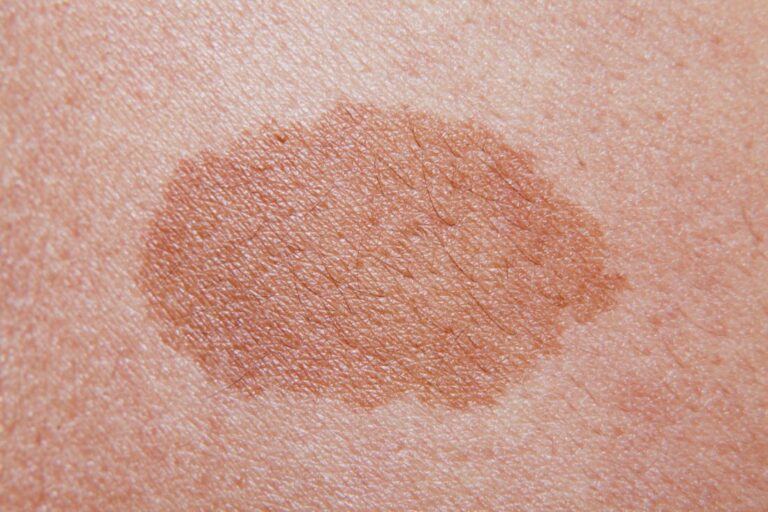
Learn how to identify common types of birthmarks, which changes may require medical attention, and when to consult a dermatologist for an assessment.

Learn how microneedling may improve skin texture, reduce the appearance of pores, and support smoother, more radiant skin for a glass skin effect.
Learn why dark spots develop after acne, how long they may take to fade, and which dermatological treatments can help improve post-acne pigmentation.

Learn why identifying the underlying cause of skin pigmentation is important and how unsuitable treatments may worsen dark spots or delay improvement.

Learn how scar treatments may improve uneven skin texture, reduce scar visibility, and address different types of scarring through dermatological procedures.
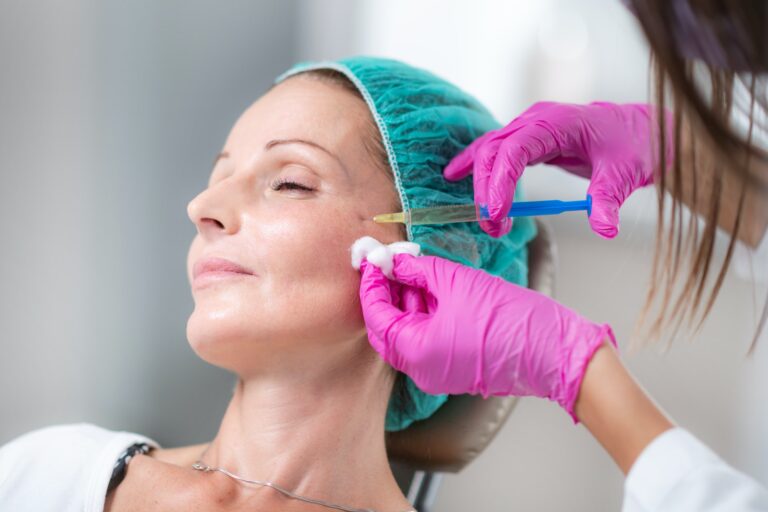
Is there an ideal age to start dermal fillers? Learn how skin ageing, facial volume loss, and individual aesthetic goals influence when to consider treatment.
Learn why wrinkles develop when you smile or frown, how facial movements contribute to expression lines, and which treatments may help reduce their appearance.

Learn whether spider veins are simply a cosmetic concern or could indicate underlying circulation issues, including common causes, symptoms, and when to seek medical advice.

Festive treats, late nights, and celebratory drinks can sometimes contribute to acne flare-ups, redness, or uneven skin tone. While temporary changes are common, persistent concerns may benefit from proper assessment.
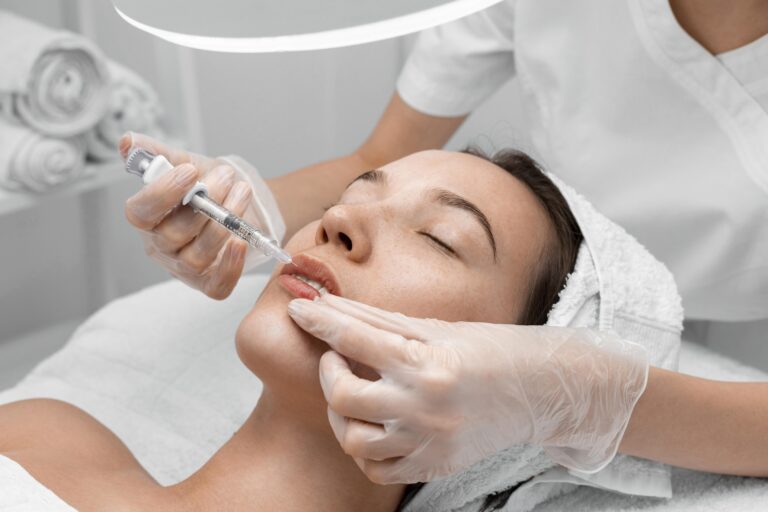
Learn how dermal fillers help restore lost facial volume, enhance facial contours, and soften wrinkles while maintaining natural-looking results.
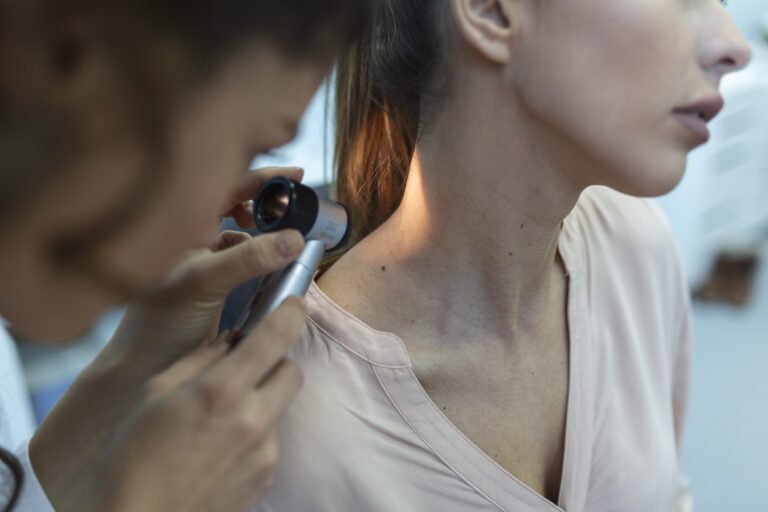
Learn how dermatologists treat facial warts using laser removal, cryotherapy (freezing), and topical treatments, including what to expect from each method.
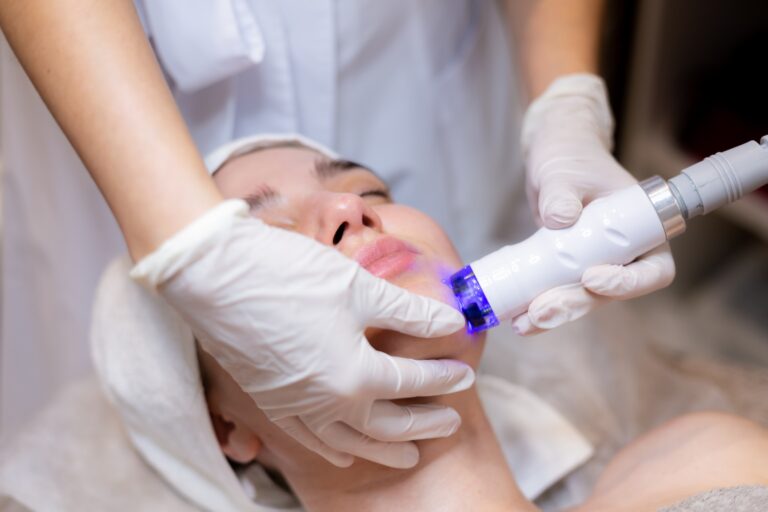
Learn how pigment-targeting lasers work to reduce dark spots, melasma, and sun damage, including treatment considerations, safety precautions, and expected results.
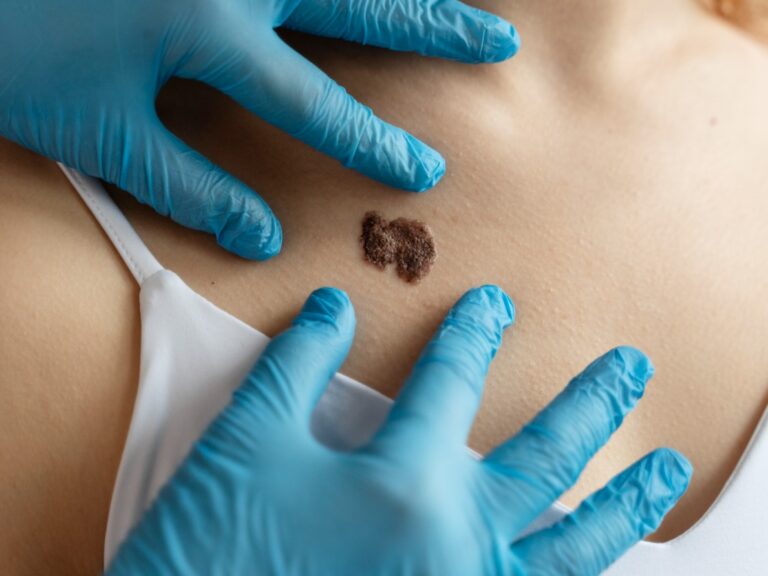
Many people who have had warts may notice them returning weeks or months after treatment.

Fractional laser treatment has become one of the more popular dermatology procedures for improving skin texture and tone.

While many are harmless and do not need treatment, some may cause cosmetic concern, discomfort, or medical complications.

Noticing tiny bumps on your face can be worrying, especially if they don’t go away with your usual skincare routine.
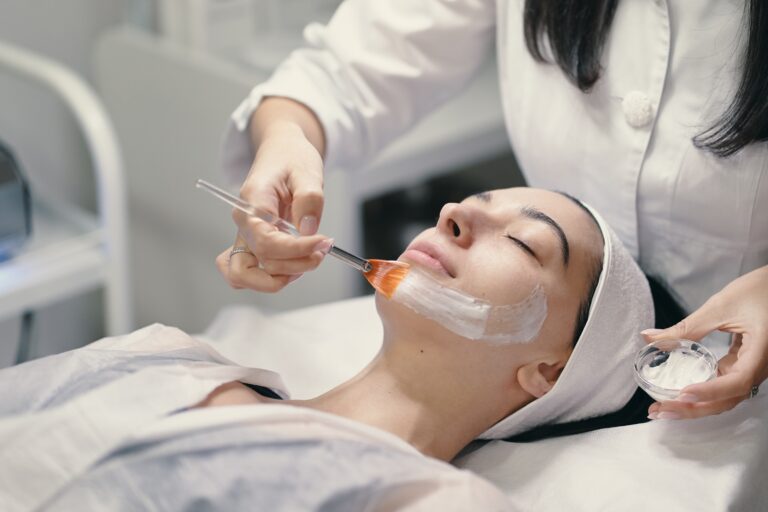
Chemical peels can help address skin concerns beyond acne, including pigmentation, fine lines, uneven skin tone, and rough texture. Learn more about their uses and benefits.

Developing a sudden skin rash can be slightly alarming. Is it an allergy? Or is it a skin condition, such as eczema or psoriasis?

Recognising early signs and knowing how to manage them can make a huge difference to your skin’s health and confidence.