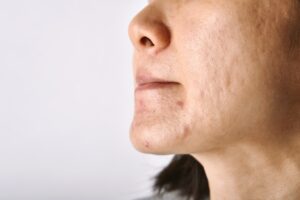

Smiling, laughing, and frowning are part of how we express ourselves every day. Over time, however, these repeated facial movements may lead to lines appearing on the skin. Many people begin noticing these lines when they smile, squint, or frown and wonder why they appear earlier than expected.
In some situations, dermatologists may discuss treatment approaches such as muscle-relaxing injections to help soften certain lines.
Need To Know
- Wrinkles that appear when you smile or frown are often called dynamic wrinkles.
- These lines develop due to repeated facial muscle movement over time.
- Common areas include the forehead, crow’s feet, and frown lines.
- Over time, some dynamic wrinkles may become static wrinkles that remain visible at rest.
- Botulinum toxin injections are sometimes used in dermatology to reduce muscle activity that contributes to expression lines.
- A dermatologist consultation in Singapore can help determine whether treatment is appropriate.
Why Do Wrinkles Appear When I Smile or Frown?
Wrinkles linked to facial expressions develop because the skin folds repeatedly when facial muscles contract. Every time you smile, squint, raise your eyebrows, or frown, the underlying muscles pull the skin in specific directions. When you are younger, the skin usually springs back easily. However, as time passes, the skin gradually loses some elasticity and structural support.
When this happens, the creases formed by repeated movement may begin to remain visible. Several factors may influence how early these wrinkles appear:
- Natural ageing
- Sun exposure
- Skin type and genetics
- Lifestyle factors such as smoking or stress
- Frequent facial expressions
These wrinkles are often one of the earliest visible signs of skin ageing.
What Are Dynamic Wrinkles?
Dynamic wrinkles are lines that appear only when facial muscles move.
For example:
- Lines across the forehead when raising the eyebrows
- Crow’s feet at the outer corners of the eyes when smiling
- Frown lines between the eyebrows when concentrating or frowning
When the face is relaxed, these lines may be less visible or may disappear entirely, especially in younger individuals. Over time, however, repeated movement may cause these lines to remain visible even when the face is at rest.
What Are Static Wrinkles?
Static wrinkles are lines that remain visible even when the face is relaxed.
They often develop after years of repeated muscle movement and changes in the skin’s structure. Reduced collagen, changes in skin thickness, and environmental exposure may all contribute.
In many people, dynamic wrinkles gradually evolve into static wrinkles.
How Do Facial Muscles Contribute to Wrinkles?
Facial muscles are different from muscles elsewhere in the body. Many facial muscles attach directly to the skin rather than to bone.
This unique structure allows us to produce subtle expressions such as smiling, frowning, or raising our eyebrows. However, it also means that muscle contraction directly pulls on the skin, creating folds.
Over time, repeated muscle movement may contribute to visible lines in certain areas of the face.
Common areas where this occurs include:
Forehead Lines
Horizontal lines that appear when raising the eyebrows.
Frown Lines (Glabellar Lines)
Vertical lines between the eyebrows that appear when frowning.
Crow’s Feet
Fine lines around the outer corners of the eyes that appear when smiling or squinting.
These expression lines are among the most commonly discussed concerns in cosmetic dermatology consultations.
How Do Muscle-Relaxing Injections Such as Botulinum Toxin Work?
In dermatology, botulinum toxin injections are sometimes used to address facial lines caused by repeated muscle movement.
Botulinum toxin works by temporarily reducing the activity of specific facial muscles. When the treated muscle contracts less strongly, the skin above it may fold less during facial expressions.
This may help soften the appearance of dynamic wrinkles, particularly those that appear during smiling, frowning, or raising the eyebrows.
Dermatologists may consider botulinum toxin injections for areas such as:
- The forehead
- The area between the eyebrows (frown lines)
- The outer corners of the eyes (crow’s feet)
During a consultation, a dermatologist usually evaluates facial muscle movement, skin condition, and the patient’s concerns before discussing whether this treatment may be appropriate.
When Should You Consider Consulting With a Dermatologist About Facial Wrinkles?
Many people notice expression lines gradually and may wonder whether they are part of normal ageing or whether treatment options are available.
It may be helpful to consult a dermatologist if:
- Wrinkles are becoming more noticeable during facial expressions
- Lines remain visible even when the face is relaxed
- You are interested in understanding possible treatment approaches
- You would like professional advice on skin ageing and prevention
A consultation allows the dermatologist to assess your skin, discuss your concerns, and explain potential treatment options based on your individual needs.
At About Dermatology, patients can consult Dr Melissa Tan Wee Ping, a senior consultant dermatologist who manages a wide range of medical and cosmetic dermatological concerns.
Frequently Asked Questions
1. Why do wrinkles appear when I smile?
Wrinkles that appear when smiling are often dynamic wrinkles caused by repeated contraction of facial muscles around the eyes and cheeks. Over time, repeated movement may make these lines more visible.
2. What are crow’s feet?
Crow’s feet are fine lines that develop at the outer corners of the eyes. They typically appear when smiling or squinting and are commonly associated with facial expression and ageing.
3. What causes frown lines between the eyebrows?
Frown lines form due to repeated contraction of the muscles between the eyebrows. These lines may become more noticeable over time as skin elasticity changes.
4. Can muscle-relaxing injections reduce facial wrinkles?
Muscle-relaxing injections may help reduce the appearance of certain dynamic wrinkles by temporarily decreasing muscle activity in targeted areas. A dermatologist can assess whether this treatment may be appropriate.
5. When should I consult a dermatologist about wrinkles?
You may consider seeing a dermatologist if facial lines are becoming more visible, if they persist even when the face is relaxed, or if you would like professional advice on treatment options.
6. Can botulinum toxin injections reduce facial wrinkles?
Botulinum toxin injections are sometimes used in dermatology to reduce the activity of specific facial muscles that contribute to expression lines. By limiting repeated muscle contraction, the appearance of certain dynamic wrinkles may become less noticeable. A dermatologist can assess whether this treatment may be suitable for an individual patient.
Concerned About Facial Wrinkles? Speak With a Dermatologist
Facial expressions are a natural part of daily life, but if expression lines are becoming more noticeable, it may be helpful to discuss your concerns with a dermatologist.
A consultation allows you to better understand:
- Why certain wrinkles appear
- How facial muscles influence skin ageing
- Whether treatment options such as muscle-relaxing injections may be appropriate
At About Dermatology in Singapore, Dr Melissa Tan Wee Ping provides assessment and management for a wide range of skin concerns, including facial wrinkles and other signs of skin ageing. If you would like personalised advice, consider scheduling a consultation.