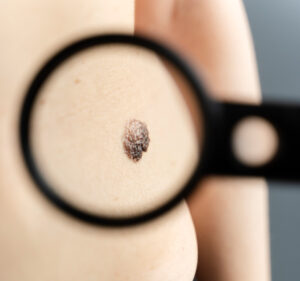

After treatment, your skin may look and feel better, and the infection may seem gone. Sometimes though, symptoms like redness, itching, pain, or a rash can return weeks or even months later, either in the same spot or elsewhere.
There are a few reasons behind a recurring skin infection. Sometimes, the first infection was not fully treated. Other times, you might have picked up the infection again from the same source. Some skin or medical conditions, or even certain harder-to-treat germs, can also make infections more likely to return.
Learning why a skin infection keeps coming back can help you decide when to see a doctor for a closer look, rather than repeating the same treatment each time.
What is a recurrent skin infection?
A recurrent skin infection reappears after it seemed to improve with treatment. It may show up in the same place or elsewhere in your body.
Skin infections can be caused by different types of microorganisms, including:
- Bacteria, which may cause boils, impetigo, or cellulitis
- Fungi, which may cause ringworm (tinea), athlete’s foot, or fungal nail infections
- Viruses, such as those responsible for warts or cold sores
Each type of infection has its own causes, treatments, and reasons it might come back. Identifying the real cause matters, since not every recurring rash or skin problem is an infection.
Why can a skin infection come back after treatment?
A skin infection often recurs because of multiple contributing factors.
The infection was not completely cleared
Some skin infections need treatment for a set amount of time, even if your skin looks better before you finish the medication.
If you stop treatment too soon, some germs may remain. They can start to grow again and cause the infection to return.
In some cases, the medication may not reach deeper layers of infected skin or nails, where treatment often takes longer to work.
You were exposed to the source of infection again
Reinfection is another common reason why skin infections return.
For example, fungal infections can spread through shared towels, footwear, gym equipment, or contaminated surfaces. Some infections may also spread between household members or through close contact.
If the source of the infection is not dealt with, the infection can keep coming back, even if you use the right treatment.
The original diagnosis may not have been correct
Remember that not every itchy or red rash is due to an infection.
Skin conditions such as eczema, psoriasis, or contact dermatitis can sometimes resemble fungal or bacterial infections. Likewise, inflammatory skin conditions may become secondarily infected.
If your symptoms don’t improve as expected or keep coming back, your dermatologist may need to take another look to see if something else is causing the problem.
The microorganism may be resistant to treatment
Some bacteria and fungi can become resistant to the medications that are usually used to treat them.
This means a treatment that worked before might not work as well now, so the infection can linger or return.
If your doctor thinks resistance may be an issue, they may suggest tests like skin swabs or lab work to identify the germ causing the problem and which treatments are likely to help.
Can recurrent skin infections be prevented?
To prevent a skin infection from coming back, it helps to understand why it keeps returning.
General measures that may help include:
- Completing the full course of prescribed treatment
- Keeping affected skin clean and dry where appropriate
- Avoiding sharing towels, clothing, footwear, or personal items
- Cleaning frequently used sports equipment when applicable
- Managing underlying skin conditions such as eczema
- Following your dermatologist’s advice regarding follow-up care
For some people, preventing the infection from coming back may mean treating people you live with or addressing things in your environment that could spread the infection.
When should you see a dermatologist?
A medical assessment may be appropriate if:
- Your skin infection returns repeatedly after treatment.
- Symptoms do not improve as expected.
- The infection spreads, becomes increasingly painful, or produces significant swelling or pus.
- You frequently require repeated courses of medication.
- You have diabetes, a weakened immune system, or another medical condition that may increase your risk of infection.
- You are unsure whether your skin problem is actually an infection.
Infections that come back again and again don’t always mean something serious is going on, but they can signal it is time to look for the underlying cause.
Frequently Asked Questions
Does a recurrent skin infection mean the treatment failed?
Not necessarily. The treatment may have worked initially, but reinfection or another contributing factor may have caused the infection to return.
Can eczema or psoriasis be mistaken for a skin infection?
Some inflammatory skin conditions can resemble bacterial or fungal infections. If symptoms return repeatedly or don’t improve as expected, further assessment may help confirm the diagnosis.
Will I need tests if my skin infection keeps coming back?
Not always. Your dermatologist will decide whether investigations such as skin swabs, fungal scrapings, or other tests are appropriate based on your symptoms and examination findings.
Find out why your skin infection keeps coming back
A recurrent skin infection isn’t always caused by the same issue each time. Reinfection, hard-to-treat germs, a missed diagnosis, or other health problems can all play a part. Figuring out the reason matters because it helps you and your doctor choose the best way to manage it and reduce the chance of it coming back.
If your skin infection keeps returning despite treatment, Dr Melissa Tan Wee Ping at About Dermatology can assess your symptoms, examine the affected skin, and recommend appropriate investigations or management based on your individual circumstances.