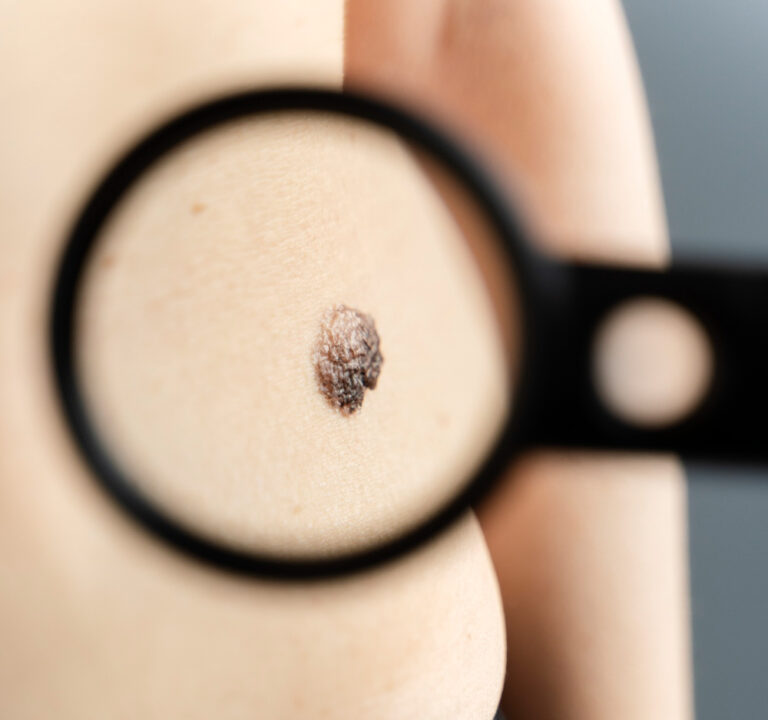
Finding a new mole –or noticing that an existing one has changed– can be worrying for any parent. It’s easy to wonder whether the change is simply part of growing up or whether it’s something that deserves medical attention.
The reassuring news is that most moles in children are harmless. As children grow, their skin changes too, and it’s not unusual for moles to become slightly larger or for new ones to appear. In many cases, these changes are completely normal.
That said, not every change should be dismissed. Knowing which changes are expected and which may warrant a closer look can help parents make informed decisions without unnecessary anxiety.
Key Pointers
- Most moles in children are benign and develop normally as the child grows.
- It is common for moles to become slightly larger in proportion to a growing child.
- Sudden changes in size, shape, colour, or symptoms should be assessed by a doctor.
- Not every changing mole is a cause for concern, but some changes deserve medical evaluation.
- Regularly observing your child’s skin can make it easier to notice meaningful changes.
- A dermatologist can assess changing moles and advise whether monitoring or further management is appropriate.
Is It Normal for a Child’s Mole to Change?
One of the most common questions parents ask is whether it’s normal for a mole to look different over time. The answer is often yes.
Children’s skin is constantly developing. As they grow taller and their bodies change, existing moles may also become slightly larger. New moles may appear throughout childhood and adolescence as well.
These gradual changes are usually part of normal skin development.
What matters most is how the mole changes. A slow increase in size that matches your child’s growth is often different from a mole that suddenly changes in appearance over a short period.
What Changes in a Child’s Mole Should Parents Watch For?
Most parents aren’t expected to diagnose skin conditions at home. Instead, it’s helpful to know which changes deserve closer attention.
A mole should be assessed if it:
- Changes rapidly in size
- Develops an irregular or uneven shape
- Changes noticeably in colour
- Has several different colours within the same mole
- Begins to bleed without injury
- Becomes persistently itchy or painful
- Develops a sore that does not heal
These changes do not necessarily mean that something serious is happening, but they are good reasons to arrange a medical review.
Can New Moles Continue to Appear During Childhood?
Parents are often surprised when new moles seem to appear even after infancy. In fact, this is quite common. Many children continue developing new moles throughout childhood and adolescence.
Genetics, natural skin development, and sun exposure can all influence how many moles a child develops over time. Rather than focusing only on the number of moles, it’s often more helpful to pay attention to whether one mole looks or behaves differently from the others.
Are All Changing Moles a Sign of Something Serious?
It’s understandable for parents to become concerned whenever they notice a change in their child’s skin. Fortunately, the vast majority of changing moles in children are not associated with serious disease.
There are many harmless reasons why a mole may look different over time.
For example:
- The child is growing.
- The mole is naturally maturing.
- Minor irritation from clothing or scratching has temporarily changed its appearance.
However, because it isn’t always possible to determine the cause simply by looking at the mole, an assessment may be appropriate if the changes are significant or persistent.
The goal is not to assume the worst, but to ensure that anything unusual is properly evaluated.
Should Parents Monitor Their Child’s Moles at Home?
Parents don’t need to examine their child’s skin every day, but becoming familiar with their child’s moles can be helpful.
Simple observations over time often make it easier to recognise when something has genuinely changed.
Some parents find it useful to:
- Take occasional photographs for comparison
- Note the location of larger moles
- Mention any changes noticed during routine medical visits
Monitoring isn’t about creating worry. It’s simply about becoming familiar with what’s normal for your child’s skin.
When Should a Child See a Dermatologist for a Mole?
Sometimes, the biggest benefit of seeing a dermatologist is reassurance.
If you’re uncertain whether a mole is behaving normally, a professional assessment can help clarify whether observation, monitoring, or further evaluation is appropriate.
A consultation may be helpful if:
- A mole changes rapidly
- The colour or shape changes noticeably
- The mole repeatedly bleeds or becomes irritated
- Your child has a very large congenital mole
- You’re simply unsure whether what you’re seeing is normal
Many parents leave feeling reassured after learning that a mole is behaving exactly as expected. In other cases, monitoring may be recommended so that any future changes can be assessed over time.
At About Dermatology in Singapore, patients can consult Dr Melissa Tan Wee Ping, who manages a wide range of skin conditions in both adults and children, including the assessment and monitoring of moles and birthmarks.
Frequently Asked Questions
1. Is it normal for my child’s mole to get bigger?
Yes. As children grow, some moles may increase in size proportionally with the surrounding skin. Rapid or unexpected growth should be assessed by a doctor.
2. Can children develop new moles?
Yes. It is common for children to develop new moles during childhood and adolescence.
3. What colour changes in a mole should parents watch for?
A mole that develops multiple colours or changes noticeably in colour over a short period should be assessed by a doctor.
4. Should every changing mole be checked?
Not every change is concerning, but significant or persistent changes in size, shape, colour, or symptoms should be evaluated by a dermatologist.
5. How often should parents check their child’s skin?
There’s no fixed schedule, but becoming familiar with your child’s skin and noticing meaningful changes over time can be helpful.
Concerned About a Changing Mole? Book a Professional Assessment
Most moles in children are completely harmless, and many change gradually as a child grows. Even so, if you’ve noticed a mole that looks different or you’re simply unsure whether a change is normal, it’s reasonable to have it assessed.
A consultation can help determine whether the mole is developing as expected or whether monitoring or further evaluation may be appropriate.
At About Dermatology, every assessment begins with learning more about your child’s skin, answering your questions, and discussing the most appropriate next steps based on the findings.
If you’re concerned about a changing mole or would like reassurance, consider booking a consultation with our dermatologist.