
Scars can stay with us long after the original injury or breakout has healed. For some people, the scar itself isn’t even the main concern anymore. It’s the texture. The skin may feel uneven, rough, raised, tight, or indented in a way that catches your attention every time you touch it or look in the mirror.
That’s why many people start wondering: “Can scar treatments actually smooth the skin?” or “Do treatments only help fade the appearance of scars?”
The answer is a little more nuanced than a simple yes or no. Different scars affect the skin differently, and treatments are often designed to target more than just visibility alone. In some cases, improving texture may be just as important as improving colour or reducing how noticeable the scar looks.
Key Pointers
- Scar treatments may help improve both scar appearance and skin texture
- Some scars affect the skin by becoming raised, indented, firm, or uneven
- Treatment options vary depending on the type of scar and how the skin healed
- Certain treatments aim to support collagen remodelling and skin smoothness
- A dermatologist can assess whether texture improvement may be possible for your scar
Why Do Some Scars Feel Uneven or Rough?
A lot of people assume scars are simply marks left behind on the skin. But scars are actually changes in the skin’s healing structure, and that’s why they can feel very different from normal skin.
When the skin repairs itself after acne, surgery, cuts, burns, or inflammation, the body produces collagen to heal the area. Sometimes the collagen forms evenly, and the scar settles relatively smoothly. Other times, the healing process becomes irregular, which can affect both the appearance and texture of the skin.
This is why scars may feel:
- Raised
- Thickened
- Firm or tight
- Indented or sunken
- Rough or bumpy
Even two people with similar injuries can end up with very different scars because healing responses vary from person to person.
Can Scar Treatments Improve Texture?
This is often one of the first questions people ask during a consultation especially when makeup or skincare products don’t seem to help with how uneven the skin feels.
In some cases, scar treatments may help improve:
- Uneven skin texture
- Raised or thickened scar tissue
- Depressed or indented scars
- Surface roughness
Different treatments work in different ways. Some aim to stimulate collagen remodelling beneath the skin, while others focus on softening thickened scar tissue or improving the skin’s surface appearance.
The extent of improvement depends on several factors, including the scar type, how long it has been present, and how the individual skin heals.
Do Scar Treatments Only Make Scars Less Visible?
Not always, and this is something many people are surprised to learn.
When people think about scar treatment, they often imagine treatments designed only to “fade” the scar. But in reality, many treatments are also aimed at improving the feel and texture of the skin.
For example, some people are more bothered by:
- Acne scars that make the skin feel uneven in certain lighting
- Raised scars that rub against clothing
- Tight scars that affect comfort or movement
In these situations, treatment discussions may focus not just on reducing visibility, but also on improving skin texture and softness.
What Types of Scars Commonly Affect Skin Texture?
Scars behave differently depending on how the skin healed. Some remain flat and faint, while others affect the surface of the skin more noticeably.
Acne Scars
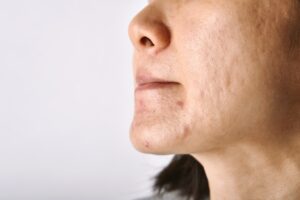
Acne scars are one of the most common texture-related concerns. They may leave indentations or uneven areas in the skin, particularly on the cheeks.
Hypertrophic Scars
These scars become raised and thickened but stay within the original wound boundary.
Keloids
Keloids are thicker scars that extend beyond the original injury site. They may feel firm, itchy, or uncomfortable.
Surgical or Injury Scars
Scars from procedures, cuts, or injuries may heal with uneven texture, tightness, or thickening depending on how the skin repairs itself.
Because scars vary so much, treatment plans are usually personalised rather than one-size-fits-all.
What Scar Treatments May Be Discussed?
People are often surprised to learn there isn’t just one “scar treatment.” Different techniques may be considered depending on the scar’s texture, depth, and behaviour.
Depending on the assessment, dermatologists may discuss options such as:
- Laser treatments
- Microneedling
- Subcision for depressed scars
- Chemical peels
- Steroid injections for raised scars or keloids
- Silicone-based scar management
Some treatments focus more on pigmentation and redness, while others are aimed at improving texture and collagen structure beneath the skin.
In certain cases, combining different approaches may be discussed to target multiple scar concerns.
How Long Does It Take to See Improvement in Scar Texture?
One thing many people don’t realise is that scar improvement is usually gradual. Skin remodelling takes time, especially when collagen changes are involved.
Depending on the treatment approach, improvement may happen progressively over several sessions rather than immediately after one treatment.
Factors that can influence the response include:
- The age of the scar
- The depth or thickness of the scar
- Skin type
- Individual healing response
Because every scar behaves differently, expectations are usually discussed carefully during consultation.
Can Older Scars Still Improve With Treatment?
A common misconception is that older scars are “permanent” and cannot improve anymore.
While newer scars may sometimes respond more easily, older scars can still sometimes be assessed for management options depending on their characteristics.
This often depends on:
- The maturity of the scar tissue
- The scar type
- The treatment being considered
Some older scars may still respond to treatments that target collagen remodelling or texture irregularities.
This is why it’s often helpful not to assume it’s “too late” without getting professional advice first.
When Should You See a Dermatologist About a Scar?
Sometimes scars become less noticeable over time on their own. But in other cases, they continue to feel uneven, raised, or bothersome long after the skin has healed.
You may consider seeing a dermatologist if:
- The scar feels raised, firm, or tight
- The skin texture feels uneven or indented
- The scar affects comfort or confidence
- You would like to understand possible treatment approaches
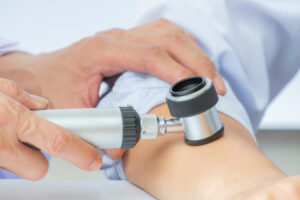
Even if you’re unsure whether treatment would help, having the scar assessed can provide clarity on what options may or may not be appropriate.
At About Dermatology in Singapore, patients can consult Dr Melissa Tan Wee Ping, who manages a range of skin concerns, including acne scars, keloids, and other scar-related skin changes.
Frequently Asked Questions
1. Can scar treatments improve uneven texture?
Some scar treatments may help improve uneven texture by supporting collagen remodelling or reducing thickened scar tissue.
2. Do acne scars affect skin texture permanently?
Acne scars can cause long-term texture changes, although some treatments may help improve skin smoothness depending on the scar type.
3. Can raised scars become flatter over time?
Some raised scars may gradually soften or flatten, while others may persist and require assessment.
4. Are all scar treatments meant to fade scars?
No. Some treatments focus more on improving texture, thickness, or skin smoothness rather than only reducing visibility.
5. How do I know which scar treatment is suitable for me?
The appropriate treatment depends on the type of scar, skin condition, and treatment goals. A dermatologist can assess this during consultation.
Concerned About Scar Texture or Uneven Skin? Start With a Proper Assessment
Scars can affect more than just appearance. Sometimes it’s the texture, firmness, or unevenness that continues to bother people even after the skin has healed.
At About Dermatology, consultations focus on assessing scars carefully and discussing realistic, individualised management options based on the skin’s condition.
If you would like to better understand your scar concerns, consider booking a consultation with Dr Melissa Tan Wee Ping.