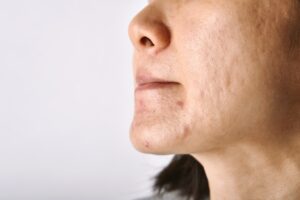

Have you ever noticed that your skin seems to break out right before an important presentation? Or that your eczema becomes itchier during a particularly stressful week? Maybe your psoriasis has been well-controlled for months, only to flare up during a difficult period in your life.
If so, you’re not imagining it.
Stress and skin health have become a topic of growing interest, and many people are asking whether emotional stress can really affect conditions like acne, eczema, or psoriasis. While stress is not usually the sole cause of these conditions, it may influence how the skin behaves and, in some people, contribute to flare-ups.
Key Pointers
- Stress does not usually cause eczema, acne, or psoriasis on its own, but it may contribute to flare-ups.
- The skin and nervous system are closely connected, which is why emotional stress can sometimes affect skin health.
- Stress may worsen itching, inflammation, or breakouts in susceptible individuals.
- Every person’s triggers are different, and stress is often just one of several contributing factors.
- Managing the underlying skin condition remains important, even when stress is a trigger.
- A dermatologist can help identify triggers and discuss appropriate treatment options.
Can Stress Really Affect Your Skin?
Most of us have experienced stress at some point, whether it’s from work, school, family responsibilities, or major life events. While we often think about how stress affects our mood or sleep, it can also have an impact on the skin.
The skin and the brain are more connected than many people realise. During periods of stress, the body releases hormones and inflammatory chemicals that may influence how the skin functions.
This doesn’t mean stress will automatically cause a skin condition, but it may make existing skin concerns more difficult to control in some individuals.
That’s why many people notice their skin behaving differently during particularly stressful periods.
Can Stress Cause Acne Breakouts?
If you’ve ever developed a breakout just before an exam, wedding, or work deadline, you’re certainly not alone. Stress doesn’t directly create acne, but it may contribute to factors that make acne worse. For example, stress may influence:
- Oil production
- Inflammation within the skin
- Healing of existing acne lesions
- Habits such as touching or picking the skin
These factors can sometimes contribute to more noticeable breakouts, particularly in people who are already prone to acne.
It’s also worth remembering that acne is influenced by several factors, including hormones, genetics, and skincare habits, so stress is rarely the only explanation.
Can Stress Make Eczema Worse?
Many people living with eczema notice that stressful periods seem to coincide with increased itching or flare-ups. Although stress does not cause eczema, it may contribute to worsening symptoms in some individuals.
During times of stress, people may experience:
- Increased itching
- More scratching
- Greater skin irritation
- Difficulty sleeping due to itch
Unfortunately, scratching can further damage the skin barrier, creating what many dermatologists describe as an “itch-scratch cycle.”
This is one reason stress management may be discussed alongside medical treatment when managing eczema.
Can Stress Trigger Psoriasis Flare-Ups?
Psoriasis is a long-term inflammatory skin condition, and many people report that flare-ups seem to occur during emotionally stressful periods.
Research suggests that stress may influence the immune system in ways that contribute to inflammation, which may play a role in triggering or worsening psoriasis in some people. That said, psoriasis flare-ups are often influenced by multiple factors, including:
- Infections
- Certain medications
- Skin injury
- Lifestyle factors
- Stress
Because triggers vary between individuals, identifying personal patterns can sometimes be helpful in long-term management.
Why Does Stress Affect Some People’s Skin More Than Others?
You may know someone who seems to stay completely clear-skinned during stressful periods, while your own skin reacts almost immediately.
That’s because everyone’s skin responds differently. Factors that may influence how stress affects the skin include:
- Genetics
- Existing skin conditions
- Immune response
- Sleep quality
- Lifestyle habits
This means stress may be a significant trigger for one person but play only a minor role for another. Rather than assuming stress is always the cause, it’s often more helpful to look at the bigger picture.
Can Reducing Stress Clear My Skin?
It’s understandable to hope that reducing stress alone might solve skin problems. While stress management may support overall wellbeing, it’s usually not a replacement for appropriate medical treatment.
For conditions such as acne, eczema, and psoriasis, management often involves addressing the underlying skin condition as well as recognising potential triggers.
Some people find it helpful to incorporate strategies such as:
- Regular exercise
- Adequate sleep
- Relaxation techniques
- Mindfulness practices
These approaches may support overall health, but they should complement and not replace appropriate dermatological care when needed.
When Should You See a Dermatologist About Stress-Related Skin Flare-Ups?
If you’ve noticed that your skin consistently worsens during stressful periods, it may be worth discussing this with a dermatologist.
You may consider seeking medical advice if:
- Your acne, eczema, or psoriasis is becoming more frequent or severe
- Symptoms are affecting your daily life or sleep
- Over-the-counter products are no longer helping
- You’re unsure whether stress is actually the trigger
A dermatologist can assess your skin, discuss potential contributing factors, and recommend an appropriate management plan based on your individual condition.
At About Dermatology in Singapore, patients can consult Dr Melissa Tan Wee Ping, who manages skin conditions including acne, eczema, psoriasis, and other inflammatory skin disorders.
Frequently Asked Questions
1. Can stress really cause acne?
Stress does not usually cause acne on its own, but it may contribute to factors that make breakouts worse in people who are already prone to acne.
2. Why does my eczema get worse when I’m stressed?
Stress may increase itching and inflammation in some people with eczema, which can contribute to flare-ups and increased scratching.
3. Can emotional stress trigger psoriasis?
Stress may be one of several factors associated with psoriasis flare-ups, although triggers vary from person to person.
4. Will managing stress improve my skin?
Reducing stress may help some individuals manage flare-ups more effectively, but it is generally not a substitute for appropriate treatment of the underlying skin condition.
5. How do I know if stress is affecting my skin?
If you notice that your symptoms repeatedly worsen during stressful periods, keeping track of flare-ups and discussing them with a dermatologist may help identify patterns.
Your Skin Doesn’t Exist in Isolation and Neither Should Your Care. Book a skin consultation today
Your skin responds to many different influences, from genetics and hormones to the environment and, for some people, emotional stress.
If you’ve noticed that acne breakouts, eczema, or psoriasis seem to flare during challenging times, you’re not alone. Understanding your personal triggers is an important part of managing long-term skin health.
At About Dermatology, consultations focus on understanding both your skin condition and the factors that may be contributing to it, so an individualised management plan can be discussed.
If you’re experiencing recurring skin flare-ups, consider booking a consultation to understand what may be triggering them and the treatment options available.