
Key Pointers
- Pigment-targeting lasers break down excess melanin in the skin.
- They are used for conditions such as melasma, freckles, and sunspots.
- Common technologies include laser toning and Q-switched lasers.
- Proper assessment ensures effective and safe treatment for each skin type.
Uneven skin tone and dark patches are common concerns in sunny climates like Singapore. From freckles and sunspots to stubborn melasma, excess pigmentation can make skin appear dull or blotchy. Modern dermatology now offers pigment-targeting lasers that can lighten these areas safely when performed under professional care. This article explains how these lasers work, what pigment they target, and what to expect during treatment.
How Pigment-Targeting Lasers Work
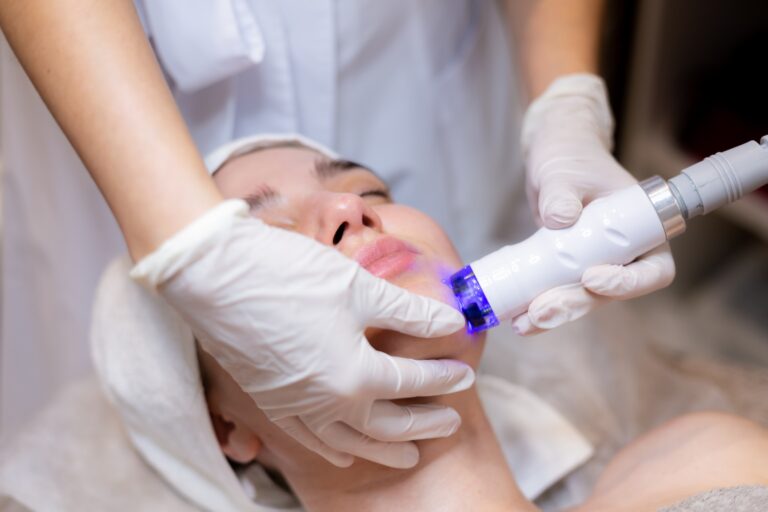
Pigment-targeting lasers deliver precise pulses of light energy that are absorbed by melanin, the pigment responsible for skin colour. The laser energy breaks excess melanin into tiny fragments, which are then cleared naturally by the body’s immune system.
Unlike topical lightening products, lasers can reach deeper pigment cells without damaging the surrounding tissue. Different wavelengths are used depending on the depth and type of pigmentation.
What Conditions Can Be Treated
Melasma
- Melasma causes brown or greyish patches on the cheeks, forehead, or upper lip. Because it is easily triggered by sunlight and hormones, gentle laser approaches such as laser toning with Q-switched lasers are often preferred. These deliver low-energy pulses to gradually lighten pigment while minimising irritation.
- Freckles and Sunspots
Long-term sun exposure can lead to clusters of small brown spots. Picosecond lasers target these well-defined pigment spots, helping to even out tone and brighten the complexion. - Post-inflammatory Hyperpigmentation (PIH)
After acne, eczema, or minor injuries, residual dark marks may remain. Gentle pigment-targeting lasers can accelerate fading when combined with sun protection and dermatologist-supervised skincare.
Safety and What to Expect
Laser pigmentation treatment is generally safe when performed by trained dermatologists using the correct settings. During treatment, brief tingling or warmth may be felt, followed by mild redness that settles within a few hours to a day.
Key safety considerations include:
- Skin type: darker skin tones need lower energy settings to reduce post-treatment pigmentation.
- Pre- and post-care: avoiding sun exposure, using sunscreen, and applying soothing creams support healing.
- Number of sessions: several treatments are often needed for gradual, natural-looking results.
Who Is Suitable for Pigment-Targeting Lasers
These treatments are ideal for individuals with stubborn pigmentation that does not respond to creams alone. However, they may not be suitable for:
- Those with active skin infections or inflammation.
- Individuals with recent sunburn or tanning.
- Pregnant women with hormonal melasma (in which lasers may be postponed).
A dermatologist will evaluate the cause, depth, and distribution of pigmentation before recommending any laser procedure.
Frequently Asked Questions About Pigment Lasers
Are pigment lasers painful?
Most people describe a mild snapping or tingling sensation. Cooling measures are often used to keep the procedure comfortable.
How many sessions are needed?
Results are gradual. Depending on the condition, four to six sessions spaced a few weeks apart are typical.
Will the pigmentation come back?
Some pigment conditions, like melasma, can recur with sun exposure. Consistent sunscreen use and maintenance treatments help keep results stable.
Are pigment-targeting lasers safe for Asian skin?
Yes –when performed by a qualified dermatologist using appropriate settings and aftercare. Specialist supervision is key to avoiding post-inflammatory pigmentation.
Takeaway
Pigment-targeting lasers offer an effective, medically supervised way to lighten dark spots, melasma, and sun damage without harming surrounding skin. By breaking down excess melanin in a controlled manner, they restore a more even tone while keeping safety a priority. If you’re exploring options for stubborn pigmentation, a dermatologist can guide you toward the most suitable laser or combination treatment for your skin.