Many people associate skin cancer with a changing mole or a sore that refuses to heal. While these can be important signs, skin cancer does not always cause obvious symptoms in its early stages. Some skin cancers begin as subtle changes that are easy to overlook, particularly on areas of the body that you may not examine closely.
In Singapore, where sunlight is present throughout the year, your skin is exposed to ultraviolet (UV) radiation on a regular basis. Over time, cumulative UV exposure can damage the DNA within skin cells, increasing the likelihood of abnormal cell growth. Skin cancer is the sixth most common cancer among men and the eighth most common cancer among women in Singapore.
Although not everyone needs routine skin cancer screening, certain individuals may benefit from periodic skin examinations. Knowing your personal risk factors and understanding when to seek an assessment can help identify suspicious skin changes early and provide reassurance when a spot turns out to be harmless.
Key Pointers
- A skin cancer screening is a visual examination of your skin performed by a doctor to look for suspicious or abnormal skin lesions.
- Not everyone requires routine screening, but people with higher risk factors may benefit from regular skin examinations.
- Risk factors include a personal or family history of skin cancer, fair skin, significant sun exposure, and increasing age.
- New or changing moles, sores that do not heal, and persistent scaly or bleeding spots should be assessed by a doctor.
- Most skin changes are not cancerous, but an examination can help determine whether further investigations are needed.
What is skin cancer screening?
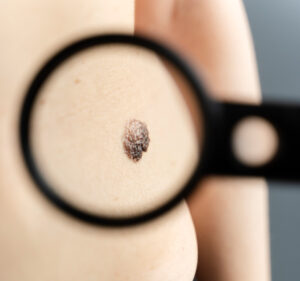
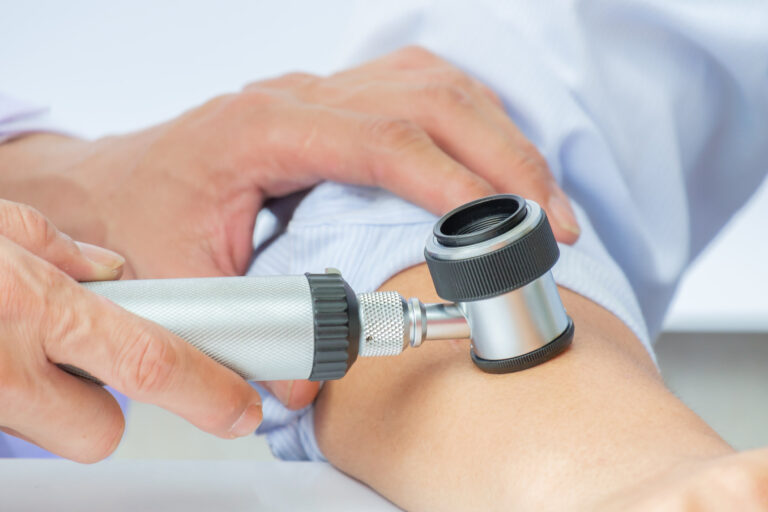
A skin cancer screening is a clinical examination during which a doctor carefully inspects your skin for unusual moles, growths, or lesions that may require further assessment.
Unlike imaging scans or blood tests, a skin cancer screening usually begins with a thorough visual examination of your skin. Your doctor may also ask about:
- Any new or changing skin lesions
- Symptoms such as itching, bleeding, or pain
- Your medical history
- Previous skin cancers
- Family history of skin cancer
- Your usual sun exposure and sun protection habits
The aim is to identify skin changes that may warrant closer monitoring or additional investigations while also reassuring you when lesions appear benign.
Do you need skin cancer screening if you have no symptoms?
Not necessarily.
Many people without symptoms are at relatively low risk and may not require routine screening. However, regular skin examinations may be appropriate if you have factors that increase your likelihood of developing skin cancer.
According to recommendations from Mayo Clinic experts, regular or annual skin examinations may be considered for individuals with higher risk, including those who have:
- A personal history of melanoma
- A family history of melanoma
- A personal history of non-melanoma skin cancers
- Fair skin that burns easily
- Light-coloured eyes or hair
- Significant lifetime sun exposure
- A history of blistering sunburns
- Are over the age of 65
Your doctor may recommend how often you should have your skin examined based on your individual risk profile rather than applying the same schedule to everyone.
Why does skin cancer screening matter in Singapore?
Singapore’s tropical climate means that sunlight is part of everyday life. Whether you are commuting, exercising outdoors, or spending weekends outside, your skin receives UV exposure throughout the year.
While a single day in the sun is unlikely to cause skin cancer, years of cumulative UV exposure can gradually damage skin cells. This damage may increase the risk of developing certain types of skin cancer over time.
That does not mean everyone who spends time outdoors will develop skin cancer. Factors such as skin type, genetics, age, and previous sun exposure also influence your overall risk.
For many people, simple sun protection measures and paying attention to changes in the skin remain important parts of maintaining skin health.
What skin changes should you have checked?
Most moles, freckles, and skin growths are harmless. However, some changes deserve medical assessment to determine whether further investigation is needed.
You should consider seeing a dermatologist if you notice:
- A new mole or skin growth
- A mole that changes in size, shape, or colour
- A spot with uneven borders or multiple colours
- A sore that does not heal after several weeks
- A pink or scaly patch that persists
- A lesion that repeatedly bleeds, crusts, or becomes irritated
- A spot that continues to itch or feels different from the surrounding skin
Having these changes assessed does not necessarily mean you have skin cancer. In many cases, they are caused by benign skin conditions. An examination simply helps determine whether additional evaluation is appropriate.
Who is more likely to benefit from a skin cancer screening?
Although anyone can develop skin cancer, certain factors may increase your risk.
You may benefit from discussing a skin examination with a dermatologist if you:
Have a personal or family history of skin cancer
If you have previously been diagnosed with melanoma or another type of skin cancer, your doctor may recommend regular follow-up skin examinations. Likewise, having a close family member with melanoma may increase your risk.
Have fair skin that burns easily
People with lighter skin tones generally have less melanin, the pigment that provides some natural protection against UV radiation. If your skin burns more easily than it tans, your doctor may recommend paying closer attention to changes in your skin.
Have had significant sun exposure
Years of outdoor work, outdoor sports, frequent holidays in sunny climates, or repeated blistering sunburns can increase cumulative UV exposure over time.
Are over the age of 65
The effects of UV exposure accumulate throughout life. As a result, the likelihood of developing certain skin cancers increases with age.
Have a weakened immune system
Certain medical conditions or medications that suppress the immune system may reduce your body’s ability to detect and repair abnormal skin cells. Your doctor can advise whether more regular skin examinations are appropriate for your situation.
What happens during a skin cancer screening?
Many people are surprised to learn that a skin cancer screening is usually straightforward and non-invasive.
During your appointment, your dermatologist will begin by asking about your medical history, including:
- Any new or changing skin lesions
- Previous skin cancers
- Family history of skin cancer
- Your usual sun exposure
- Any symptoms such as itching, bleeding, or pain
This is followed by a careful examination of your skin. Depending on your symptoms or concerns, your doctor may examine a specific area or perform a more comprehensive skin assessment.
The aim is to identify any lesions that appear unusual and determine whether they can simply be monitored or whether further investigation is recommended.
What if a suspicious spot is found?
Finding an unusual skin lesion does not automatically mean you have skin cancer.
Many suspicious-looking spots turn out to be harmless. However, if your dermatologist feels that a lesion requires further assessment, they may recommend a skin biopsy.
A biopsy involves removing part or all of the lesion using local anaesthetic before sending the tissue to a laboratory for examination under a microscope. This allows doctors to determine whether cancer cells are present and, if so, identify the type of skin cancer.
The procedure is commonly performed in the clinic, and the area is numbed beforehand to help minimise discomfort.
When should you see a dermatologist?
While most skin changes are not caused by skin cancer, it is worth arranging an assessment if you notice changes that are new, persistent, or unusual.
You should consider seeing a dermatologist if:
- You develop a new mole or skin growth that looks different from your other spots.
- An existing mole changes in size, shape, colour, or texture.
- A sore does not heal after several weeks.
- A pink, red, or scaly patch persists despite skincare or over-the-counter treatments.
- A spot repeatedly bleeds, crusts, or becomes irritated.
- You have several risk factors for skin cancer and would like to discuss whether routine skin examinations are appropriate.
An assessment can help determine whether the lesion is likely to be benign, whether it should be monitored, or whether further investigation, such as a biopsy, is recommended.
Frequently Asked Questions About Skin Cancer Screening
1. Should everyone have a skin cancer screening every year?
Not necessarily. Routine skin cancer screening is generally more appropriate for people with higher risk factors, such as a personal or family history of skin cancer, fair skin that burns easily, significant cumulative sun exposure, or increasing age. Your dermatologist can advise whether regular skin examinations are appropriate based on your individual risk.
2. Can I check my skin at home?
Yes. Becoming familiar with your skin can help you notice new or changing moles, growths, or sores. However, self-checks do not replace a professional skin examination. If you notice any changes that concern you, it is advisable to have them assessed by a dermatologist.
3. Does a skin cancer screening hurt?
A skin cancer screening itself is a visual examination of your skin and is not painful. If your dermatologist recommends a skin biopsy to investigate a suspicious lesion, the area is usually numbed with local anaesthetic before the procedure.
4. Does finding a suspicious spot mean I have skin cancer?
No. Many skin lesions that appear unusual are ultimately found to be benign. If a lesion looks suspicious, your dermatologist may recommend further assessment, such as a biopsy, to establish an accurate diagnosis.
5. How often should I have my skin checked?
There is no single recommendation that applies to everyone. Some individuals may not require routine skin examinations, while those at higher risk may benefit from annual or more frequent assessments. Your dermatologist can recommend an appropriate follow-up schedule based on your medical history and risk factors.
Speak to a dermatologist
If you have noticed a new or changing mole, a persistent sore, or another skin lesion that concerns you, arranging a medical assessment can help determine the cause and whether any further investigation is needed.
Dr Melissa Tan Wee Ping manages a wide range of skin, hair, and nail conditions in adults and children. She also provides assessment and management of skin cancers, performs Mohs micrographic surgery where appropriate, and evaluates suspicious skin lesions to determine whether further investigations, such as a skin biopsy, are required.
If you have concerns about changes to your skin or would like to discuss whether a skin cancer screening is appropriate for you, book a consultation with Dr Melissa Tan Wee Ping at About Dermatology for an individualised assessment and recommendations based on your medical history and skin findings.