Sweating is your body’s natural way of keeping cool. In Singapore’s warm and humid climate, it’s perfectly normal to sweat when you’re outdoors, exercising, or spending time in a non-air-conditioned environment.
But what if you find yourself sweating even when you are sitting in an air-conditioned office, walking at a leisurely pace, or simply going about your daily routine? If your sweating seems excessive, happens without an obvious trigger, or interferes with your confidence and daily activities, you may be wondering whether it’s something more than just the weather.
Excessive sweating, known medically as hyperhidrosis, is a common condition that causes your body to produce more sweat than it needs to regulate temperature. While many cases are not linked to a serious medical problem, excessive sweating can sometimes be associated with an underlying medical condition or certain medications. Understanding what may be causing your symptoms is the first step towards finding an appropriate management plan.
Key Pointers
- Hyperhidrosis is excessive sweating that goes beyond what your body needs to regulate its temperature.
- There are two main types: primary hyperhidrosis, which has no identifiable underlying medical cause, and secondary hyperhidrosis, which is linked to another medical condition or medication.
- Excessive sweating commonly affects the underarms, palms, soles of the feet, and face.
- Heat, humidity, stress, spicy foods, caffeine, alcohol, and physical activity can trigger or worsen sweating.
- A doctor may recommend investigations if sweating starts suddenly, occurs mainly at night, or may be related to an underlying medical condition.
What is hyperhidrosis?
Hyperhidrosis is the medical term for excessive sweating. It happens when your sweat glands produce more sweat than your body needs to keep your temperature under control.
Unlike normal sweating, hyperhidrosis can occur even when you are not exercising, feeling hot, or spending time outdoors. You may notice sweating while sitting in an air-conditioned room, working at your desk, or carrying out everyday activities.
The condition often affects specific parts of the body, including:
- Underarms
- Palms of the hands
- Soles of the feet
- Face
Some people experience excessive sweating across much larger areas of the body instead.
What causes excessive sweating?
There isn’t one single cause of excessive sweating. Broadly, hyperhidrosis can be divided into two categories.
Primary Hyperhidrosis
Primary hyperhidrosis occurs without an identifiable underlying medical condition. Researchers believe the nerves that activate the sweat glands become overactive, causing sweating even when your body does not need cooling.
This type commonly affects the hands, feet, underarms, or face. It may also run in families.
Secondary Hyperhidrosis
Secondary hyperhidrosis develops because of another medical condition or as a side effect of certain medications.
Possible causes include:
- Thyroid disorders
- Diabetes or low blood sugar
- Menopause and hormonal changes
- Certain infections
- Neurological conditions
- Some medications, including certain antidepressants and pain medications
When excessive sweating develops later in life or affects the entire body, your doctor may consider whether an underlying condition should be investigated.
What can trigger excessive sweating?
Even if you have hyperhidrosis, certain situations may make sweating more noticeable.
Common triggers include:
- Hot and humid weather
- Physical activity
- Emotional stress or anxiety
- Spicy foods
- Caffeinated drinks
- Alcohol
- Smoking or nicotine products
Living in Singapore means heat and humidity are difficult to avoid, so understanding your personal triggers may help you better manage your symptoms.
What are the symptoms of hyperhidrosis?
Everyone sweats from time to time, but hyperhidrosis tends to be more persistent and may interfere with daily activities.
You may notice that:
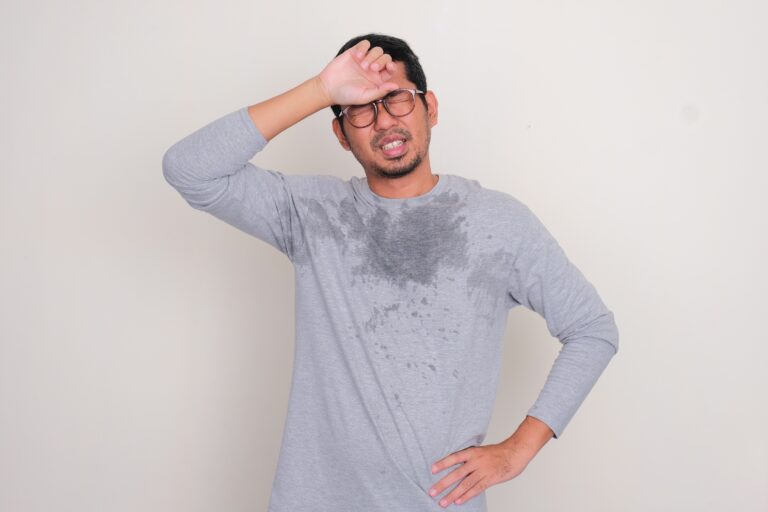
- Sweat soaks through your clothing.
- Your hands remain damp throughout the day.
- Your feet frequently become wet inside your shoes.
- Sweat drips from your palms or forehead.
- Sweating occurs without exercise or hot weather.
Some people also develop skin irritation or recurrent skin infections because constant moisture creates an environment where bacteria and fungi can grow more easily.
How is excessive sweating diagnosed?
If you seek medical advice for excessive sweating, your doctor will begin by asking about your symptoms.
You may be asked questions such as:
- Which parts of your body sweat excessively?
- Did the sweating begin suddenly or gradually?
- Does it happen mainly during the day or at night?
- Does anything trigger it?
- Are you taking any medications?
- Have you noticed other symptoms such as weight loss, fever, or palpitations?
Depending on your symptoms, your doctor may recommend blood tests or other investigations to look for possible underlying causes, such as thyroid disease, diabetes, infections, or hormonal changes.
What treatments are available for excessive sweating?
The right treatment depends on why you are sweating excessively, which areas of the body are affected, and how much your symptoms impact your daily life.
After assessing your condition, your doctor may discuss one or more management options.
Lifestyle Measures
While lifestyle changes may not completely stop excessive sweating, they can help reduce flare-ups or improve comfort.
These may include:
- Wearing lightweight, breathable clothing
- Using absorbent socks if your feet sweat frequently
- Changing clothes when needed
- Identifying and avoiding personal triggers where possible
- Limiting spicy foods, caffeine, or alcohol if they make your sweating worse
- Managing stress through relaxation techniques if emotional stress is a trigger
These measures may be particularly helpful alongside medical treatment rather than as a replacement for it.
Prescription Antiperspirants
For mild to moderate hyperhidrosis, a doctor may recommend prescription-strength antiperspirants. These work by temporarily reducing sweat production in the treated area and are commonly used for the underarms, hands, or feet.
Oral Medications
Some medications may help reduce excessive sweating by acting on the nerves that stimulate the sweat glands. Because these medications can have side effects and may not be suitable for everyone, your doctor will discuss whether they are appropriate for your situation.
Botulinum Toxin (Botox®) Injections
Botulinum toxin injections may be considered for certain areas, particularly the underarms. The treatment works by temporarily blocking the nerve signals that activate the sweat glands.
As the effects gradually wear off over time, repeat treatments may be needed if ongoing symptom control is desired.
Other Treatments
For some people with more persistent symptoms, other treatment options may also be discussed depending on the affected area, severity of sweating, and whether an underlying cause has been identified. Your doctor can explain the potential benefits, limitations, and suitability of each option during a consultation.
When should you see a doctor about excessive sweating?
Although sweating is normal, there are situations where it is worth arranging a medical assessment.
You should consider seeing a doctor if:
- You suddenly begin sweating much more than before.
- Sweating interferes with your work, daily activities, or social life.
- You experience unexplained night sweats.
- Excessive sweating affects your confidence or emotional well-being.
- Sweating occurs together with other symptoms such as unexplained weight loss, fever, or palpitations.
An assessment can help determine whether your sweating is due to primary hyperhidrosis or whether further investigations are needed to identify an underlying cause.
Frequently Asked Questions about excessive sweating
1. Is excessive sweating always caused by hyperhidrosis?
Not always. While hyperhidrosis is a common cause, excessive sweating can also occur because of medical conditions, hormonal changes, infections, certain medications, or other health issues. A medical assessment can help identify the cause.
2. Can stress make excessive sweating worse?
Yes. Emotional stress, anxiety, and nervousness are common triggers that can worsen sweating, even in people who already have hyperhidrosis.
3. Does hyperhidrosis only affect the underarms?
No. Hyperhidrosis commonly affects the underarms, but it can also involve the palms, soles of the feet, face, or larger areas of the body depending on the type of hyperhidrosis.
4. Can excessive sweating be treated?
Many people can manage excessive sweating with lifestyle measures, prescription antiperspirants, medications, botulinum toxin injections, or other treatments. The most suitable option depends on the underlying cause, the affected areas, and the severity of symptoms.
5. When is excessive sweating considered a medical concern?
You should seek medical advice if sweating begins suddenly, disrupts your daily life, occurs mainly at night without an obvious reason, or is accompanied by other concerning symptoms.
Speak to a doctor
Sweating is a normal and essential function that helps regulate your body temperature. However, if you find yourself sweating far more than expected or your symptoms are affecting your daily activities, it may be worth finding out why.
Whether your symptoms are due to primary hyperhidrosis or another underlying condition, an assessment can help identify the possible cause and guide appropriate management. Discussing your symptoms with Dr Melissa Tan Wee Ping provides an opportunity to understand the potential causes of your excessive sweating and the management options that may be appropriate for your individual situation.
Dr Melissa Tan Wee Ping manages a wide range of skin, hair, and nail conditions in adults and children. She also provides care for skin cancers, keloids and scars, performs Mohs micrographic surgery, and offers aesthetic and skin rejuvenation treatments.
If excessive sweating has become a persistent concern, consider arranging a consultation with Dr Melissa Tan Wee Ping to discuss your symptoms and the available management options.