
If you’ve spent any time on social media recently, you’ve probably come across the term “glass skin.” It’s often used to describe skin that looks smooth, clear, hydrated, and reflective, as though light simply glides across its surface.
Naturally, this has led many people to wonder whether certain treatments can help them achieve a similar look. One treatment that frequently comes up in these conversations is microneedling.
But can microneedling actually give you “glass skin,” or is that expectation unrealistic?
The answer lies in understanding what creates the appearance of smooth, radiant skin in the first place, and what microneedling is designed to do.
Key Pointers
- “Glass skin” is a beauty term used to describe skin that appears smooth, even, and radiant.
- Microneedling works by creating controlled micro-injuries that stimulate the skin’s natural repair processes.
- Microneedling may help improve concerns such as acne scars, uneven skin texture, and enlarged pores.
- Results vary depending on individual skin condition and treatment goals.
- Microneedling is not intended to create perfect skin but may contribute to improvements in overall skin quality.
- A dermatologist can assess whether microneedling is suitable for your skin concerns.
What Does “Glass Skin” Actually Mean?
Before talking about microneedling, it helps to understand what people mean when they refer to glass skin.
Interestingly, glass skin isn’t a medical term. It’s a beauty trend that became popular through Korean skincare and social media, where people describe skin that appears:
- Smooth
- Even-toned
- Well-hydrated
- Refined in texture
- Naturally radiant
What many people don’t realise is that glass skin is usually the result of several factors working together, not a single product or treatment.
Skin texture, pigmentation, hydration, pore visibility, and overall skin health all contribute to the appearance.
This is why achieving “glass skin” often involves addressing multiple skin concerns rather than focusing on just one.
How Does Microneedling Work?
When people hear the word “needling,” it can sound intimidating. In reality, microneedling is a procedure that uses fine needles to create controlled micro-injuries in the skin.
These tiny channels trigger the skin’s natural repair response, which includes collagen production and skin remodelling.
The goal is not to damage the skin but to encourage the skin’s natural healing processes.
Because collagen plays an important role in skin structure and texture, microneedling is commonly discussed for concerns such as:
- Acne scars
- Uneven skin texture
- Enlarged pores
- Fine lines
Over time, these improvements may contribute to smoother-looking skin.
Can Microneedling Improve Skin Texture?
For many people, skin texture is one of the biggest barriers to achieving a smoother complexion.
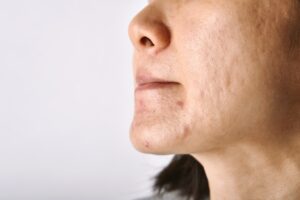
You might have noticed that even if your skin tone is relatively even, issues such as acne scars, rough patches, or enlarged pores can affect how light reflects off the skin.
This is one reason microneedling is often discussed as a treatment for texture-related concerns.
Microneedling may help improve:
- Uneven skin texture
- Certain types of acne scars
- Rough skin surface
- Visible pores
As the skin remodels and collagen production occurs, some individuals notice that their skin feels smoother and appears more refined over time.
Can Microneedling Help With Acne Scars?
Acne scars are one of the most common reasons people ask about microneedling.
After active acne clears, some individuals are left with depressions or uneven areas that affect skin texture. These changes can make the skin look less smooth, even when breakouts are no longer present.
Microneedling may be discussed for certain types of acne scars because it aims to support collagen remodelling beneath the skin.
However, not all acne scars are the same. Some scars may respond differently than others, which is why professional assessment is important before treatment.
Can Microneedling Make Pores Look Smaller?
Many people pursuing the “glass skin” look are actually trying to address enlarged pores.
While pores cannot be permanently removed, their appearance may sometimes be improved.
Microneedling may help improve overall skin texture and support collagen production around the pores, which can make them appear less noticeable in some individuals.
It’s important to remember that pore size is influenced by multiple factors, including genetics, oil production, and skin ageing.
Because of this, results vary from person to person.
Will Microneedling Give Everyone a Glass Skin Effect?
This is where expectations matter.
The term “glass skin” can create the impression that a single treatment can produce perfectly smooth, flawless skin. In reality, skin health is influenced by many factors.
Microneedling may help improve certain concerns that contribute to dullness or uneven texture, but it is not designed to create perfection.
Factors that affect outcomes include:
- Existing skin condition
- Acne scar severity
- Skin type
- Sun exposure
- Skincare habits
- Individual healing response
For some people, improvements in texture and radiance may make the skin appear smoother and healthier. For others, different treatments or a combination approach may be more appropriate.
What Other Factors Contribute to Smoother, More Radiant Skin?
It’s easy to focus on treatments alone, but achieving healthy-looking skin often involves multiple components.
These may include:
- Consistent sun protection
- Appropriate skincare
- Managing acne or pigmentation
- Hydration
- Professional treatments where appropriate
Think of microneedling as one possible tool within a broader skin management plan rather than a standalone solution.
When Should You See a Dermatologist About Skin Texture Concerns?
If you’re considering microneedling because of acne scars, enlarged pores, or uneven skin texture, it may be helpful to seek professional advice first.
A dermatologist can assess:
- Whether microneedling is appropriate for your skin
- The nature of your skin concerns
- Whether other treatments may be more suitable
- What results may realistically be expected
This personalised approach helps ensure treatment decisions are based on your skin’s actual needs rather than social media trends.
At About Dermatology in Singapore, patients can consult Dr Melissa Tan Wee Ping, who manages a range of skin concerns including acne scars, pigmentation, enlarged pores, and skin texture issues.
Frequently Asked Questions
1. Can microneedling give you glass skin?
Microneedling may help improve skin texture and certain skin concerns associated with the appearance of smoother, more radiant skin. However, outcomes vary between individuals.
2. Is microneedling good for acne scars?
Microneedling may be considered for certain types of acne scars as part of a personalised treatment plan.
3. Can microneedling reduce enlarged pores?
Microneedling may help improve skin texture and make pores appear less noticeable in some individuals.
4. How many microneedling sessions are usually needed?
The number of sessions varies depending on the individual’s skin concerns and treatment goals.
5. Is microneedling suitable for everyone?
Not necessarily. A dermatologist can assess whether microneedling is appropriate based on your skin type and concerns.
Looking for Smoother, More Refined Skin? Start With a Professional Assessment
If you’ve been curious about microneedling because of acne scars, enlarged pores, or uneven texture, it may be worth discussing your concerns with a dermatologist.
At About Dermatology, consultations focus on assessing your skin carefully and discussing treatment options that align with your individual needs and goals.
If you’d like to learn whether microneedling may be suitable for you, consider booking a consultation.