Key Pointers
- Chemical peels are not only for acne and pigmentation.
- They can also help with fine lines, sun damage, and uneven texture.
- Different types of peels target different skin concerns.
- A dermatologist can assess if chemical peels are suitable for your skin.
When people hear “chemical peel,” they often think about acne treatment or pigmentation. While it’s true that chemical peels can help manage these common issues, their uses go far beyond that. From reducing fine lines to improving skin texture after scarring, chemical peels are a versatile dermatology procedure that may be recommended for a variety of skin concerns.
In this article, we explore some of the lesser-known benefits of chemical peels and why seeking professional advice is important before undergoing one.
What Exactly Is a Chemical Peel?
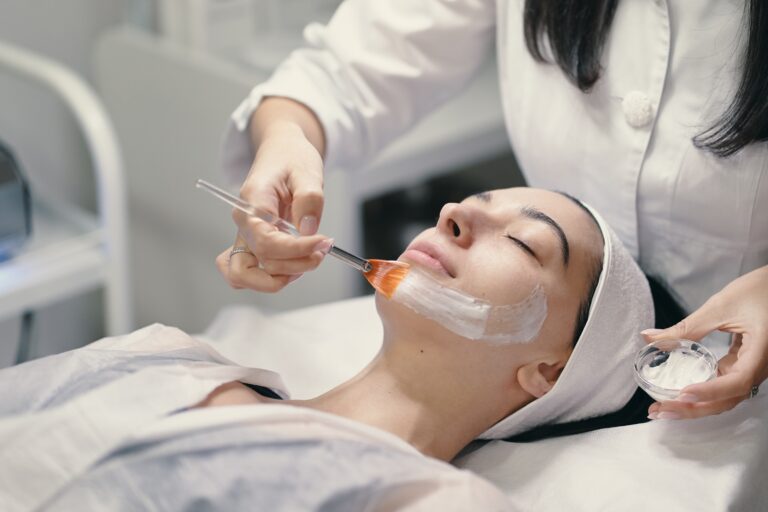
A chemical peel is a controlled application of a chemical solution to the skin. This process removes the outermost layers, encouraging renewal and the growth of fresh, smoother skin. Depending on the type and depth of the peel, results can vary from subtle surface brightening to more noticeable improvements in texture and tone.
Dermatologists choose different strengths and formulations based on the individual’s skin type and concerns.
Fine Lines and Early Signs of Ageing
One lesser-known benefit of chemical peels is their ability to improve the appearance of fine lines and wrinkles. By promoting skin renewal, peels can smooth out early signs of ageing around areas like the forehead, mouth, and eyes.
Although they cannot completely stop ageing, regular treatments may help maintain a more refreshed appearance when used as part of a broader skincare plan.
Sun Damage and Uneven Skin Tone
Living in a sunny climate makes sun damage a common concern. Over time, UV exposure can lead to uneven pigmentation, dullness, and rough patches.
Superficial to medium chemical peels can help:
- Lighten areas of uneven tone.
- Improve overall brightness.
- Smooth out roughened texture.
This makes chemical peels a useful option for individuals hoping to restore some balance to their complexion after years of sun exposure.
Improving Skin Texture After Scarring
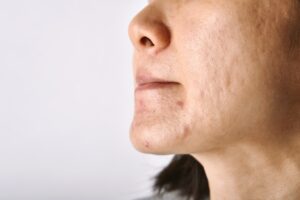
Another surprising use of chemical peels is in addressing skin texture changes after scarring. While they cannot remove deep scars, peels can help reduce the appearance of mild acne scars or surface irregularities. By encouraging new cell growth, the treated skin may feel smoother and look more even over time.
Deeper scars often require other dermatology procedures, but chemical peels can be an important part of a comprehensive treatment plan.
Other Concerns That May Benefit from Chemical Peels
In addition to acne and pigmentation, dermatologists sometimes recommend chemical peels for:
- Rough, uneven patches caused by chronic dryness or thickened skin.
- Early actinic damage (precancerous changes due to sun exposure), using medical-grade peels under specialist supervision.
- Dull complexion that does not improve with topical products alone.
Because every skin condition is different, a consultation is always the first step before deciding if a peel is appropriate.
Why Professional Guidance Matters
Although peels may sound straightforward, the choice of solution, depth, and frequency makes a big difference to both results and safety. Trying at-home “peel kits” or unsupervised treatments may lead to irritation or complications.
A dermatologist can:
- Assess your skin type and medical history.
- Decide which type of peel, if any, is suitable.
- Perform the procedure in a safe, controlled setting.
- Advise on aftercare to minimise downtime and protect new skin.
Frequently Asked Questions
How long does recovery take after a chemical peel?
Recovery depends on the depth of the peel. Superficial peels may cause mild redness and peeling for a few days, while deeper peels can take one to two weeks to heal. Your dermatologist will give aftercare instructions to protect the skin during recovery.
Are chemical peels painful?
Most people feel a tingling or mild stinging sensation during the procedure. Stronger peels may cause more noticeable discomfort, but this is usually temporary and managed during treatment.
How many sessions will I need?
The number of sessions depends on your skin concerns and the type of peel used. Some people see results after one peel, while others may need a series of treatments spaced weeks apart for the best outcome.
Who should avoid chemical peels?
Chemical peels may not be suitable for people with very sensitive skin, active skin infections, or certain medical conditions. A consultation with a dermatologist is the safest way to determine if a peel is right for you.
Conclusion
Chemical peels are more than just a treatment for acne or pigmentation. From softening fine lines to evening out sun damage and refining skin texture, they offer multiple benefits when performed under professional care.
If you’ve been curious about whether chemical peels might be right for your skin, the best step is to discuss your goals with a dermatologist.