Key Pointers
- Warts are caused by the human papillomavirus (HPV).
- They can recur because the virus remains in the skin even after treatment.
- Factors like immune health and skin contact influence recurrence.
- Good hygiene and dermatologist-guided treatment reduce the risk of return.
Many people who have had warts may notice them returning weeks or months after treatment. This can be frustrating and confusing, especially if they keep recurring at the same area. Warts are caused by the Human Papillomavirus (HPV), a common virus that infects the skin. While treatments can remove visible warts, the virus itself may persist beneath the surface, leading to recurrence. Understanding why this happens and how to prevent it can help you manage warts more effectively.
What Causes Warts to Appear?
Warts form when HPV infects the outermost layer of the skin through tiny or microscopic breaks in the skin. Once inside, the virus triggers abnormal cell growth, resulting in raised, rough bumps.
There are several types of warts:
- Common warts – usually found on the hands and fingers.
- Plantar warts – appear on the soles of the feet and can be painful when walking.
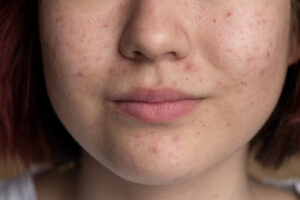
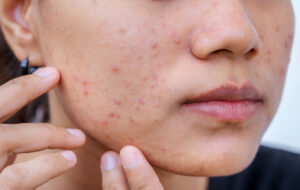
- Flat or plane warts – smooth, small bumps often seen on the face, hands and limbs
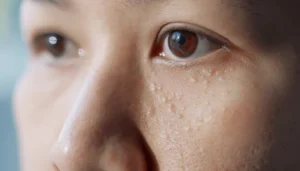
- Filiform warts – thread-like growths that can appear especially on the face and neck.
HPV spreads through direct skin contact or shared surfaces like towels, gym equipment, or floors in public showers.
Why Warts Keep Coming Back
Even after removal, warts can recur for several reasons:
1. The virus remains in nearby skin
Treatment removes the visible wart but may not completely eliminate the virus in surrounding tissue. This allows new warts to develop later.
2. Weakened immune response
People with lower immune resistance may have difficulty suppressing HPV, making recurrences more likely.
3. Reinfection through contact
Touching or scratching existing warts, or using contaminated objects (like razors or towels), can spread the virus to other areas.
4. Incomplete treatment
Some over-the-counter remedies or home methods may only treat the surface, leaving deeper viral cells behind.
How Dermatologists Treat Warts
Dermatologists use a variety of treatments to eradicate warts. They can be broadly divided into two categories:
1. Destructive treatment modalities.
As the name suggests, these treatment options destroy the cells and skin tissues infected by the HPV virus. Some common destructive treatment modalities include
- Cryotherapy – freezing the wart with liquid nitrogen.
- Topical medications – applying prescription solutions to remove layers gradually.
- Laser treatment – destroying wart tissue using focused light energy.
- Minor surgery – occasionally used for persistent or large warts.
2. Immunotherapy
Immunotherapy activates the body’s immune system to eradicate the HPV virus. It may be in the form of topical medication or injection treatments
Prevention and Long-Term Care
Preventing warts from returning requires consistency and good skin habits. Helpful tips include:
- Avoid picking or scratching warts to prevent spreading the virus.
- Keep feet and hands clean and dry, especially after exercise. For individuals prone to dry and cracked skin, apply moisturiser to protect and restore the skin barrier.
- Do not share personal items like towels, socks, or razors.
- Treat any cuts or abrasions promptly to reduce the chance of viral entry. Rinse thoroughly under running water and apply antiseptic gel.
- Support your immune system through rest, balanced nutrition, and stress management.
- Follow up with your dermatologist to monitor for recurrence and treat early signs promptly.
Warts are common, and so is their recurrence. Because HPV can linger in the skin, prevention and follow-up care are just as important as treatment. With the right medical guidance and healthy skin habits, it’s possible to control and reduce the chances of warts coming back.
Frequently Asked Questions About Warts
1. Why do my warts return after removal?
The virus that causes warts (HPV) can remain in the skin even after visible growths are removed, which makes recurrence possible.
2. Are warts contagious?
Yes. HPV spreads through direct contact with a wart or contaminated surfaces, so maintaining good hygiene and avoiding skin contact with warts is important.
3. Can I remove warts at home?
Over-the-counter options may work for some, but not all types of warts respond well. Persistent or painful warts are best treated by a dermatologist.
4. When should I see a dermatologist?
If your warts keep returning, spread to other areas, cause pain, or look unusual, it’s best to have them examined professionally.
Book a Consultation with About Dermatology
At About Dermatology, we provide comprehensive care for viral warts and other common skin conditions. Led by Dr Melissa Tan, Senior Consultant Dermatologist, our clinic offers medical, surgical, paediatric, and laser dermatology services in a safe and professional setting.
- Conveniently located at Farrer Park Hospital
- Monday to Saturday (by appointment)
- Call us at 6518 4336 or book a consultation online
Achieve that healthy skin, schedule a consultation today.